


Understanding Different Types of Cabinets
When you think about organizing your home or commercial space, one of the first things that come to mind is storage. Storage is essential. And nothing helps storage better than the right types of cabinets. Cabinets come in many shapes, sizes, and styles. Knowing the differences can help you choose the best option for your needs. I will guide you through the most common types of cabinets and what makes each unique.
Common Types of Cabinets You Should Know
There are several types of cabinets designed for different purposes. Here are some of the most popular ones:
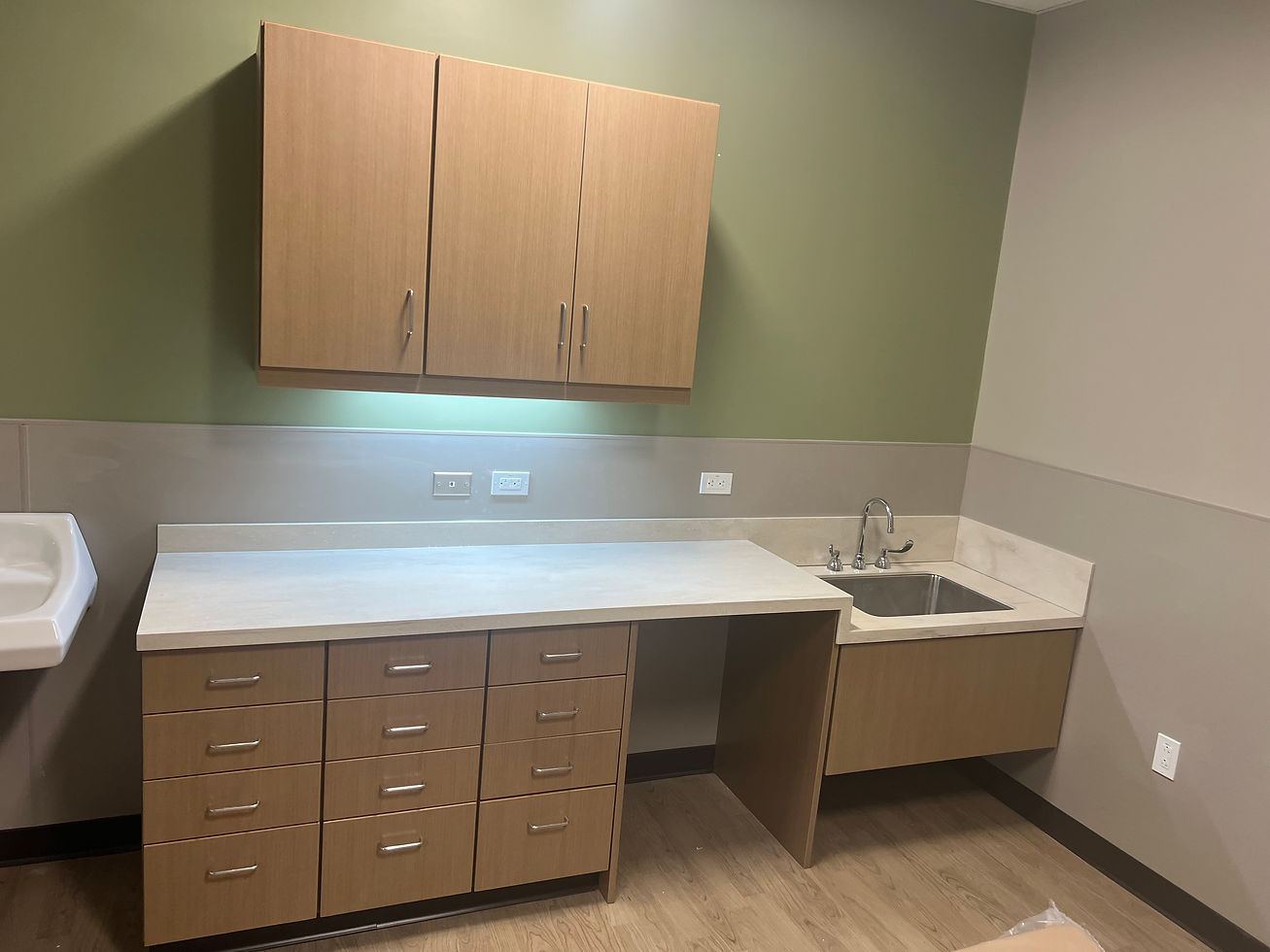
Base Cabinets: These sit on the floor and support countertops. They usually have drawers or doors for storing pots, pans, and other kitchen essentials.
Wall Cabinets: Mounted on the wall, these cabinets save floor space. They are perfect for storing dishes, glasses, and spices.
Tall Cabinets: Also called pantry cabinets, these are tall and provide extra storage. They are great for storing food, cleaning supplies, or even brooms.
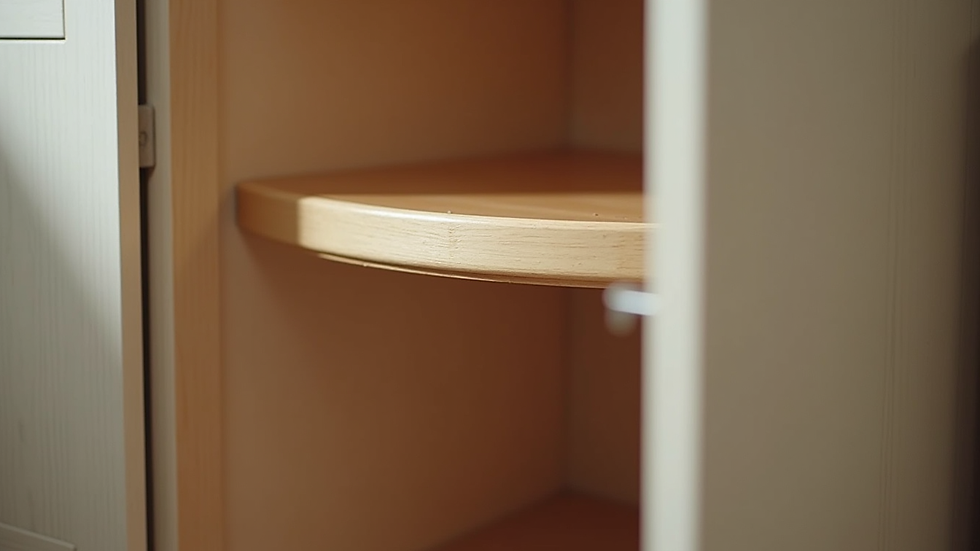
Corner Cabinets: Designed to fit into corner spaces, these cabinets maximize storage in hard-to-reach areas.
Glass-Front Cabinets: These have glass doors and are ideal for displaying decorative items or fine china.
Each type serves a specific function. Choosing the right one depends on your space and storage needs.

How to Choose the Right Types of Cabinets for Your Space
Choosing the right cabinets is about more than just looks. You want cabinets that fit your space and lifestyle. Here are some tips:
Measure Your Space: Know the dimensions of the area where you want to install cabinets. This helps avoid buying cabinets that are too big or too small.
Consider Your Storage Needs: Think about what you want to store. For example, if you have many pots and pans, base cabinets with deep drawers might be best.
Think About Accessibility: If you have limited mobility, choose cabinets that are easy to reach and open.
Match Your Style: Cabinets come in many finishes and materials. Pick a style that complements your home or office decor.
Plan for Future Needs: Choose cabinets that can adapt if your storage needs change.
By following these steps, you can find cabinets that work well and look great.
What is the 1 3 Rule for Cabinets?
The 1 3 rule is a simple guideline to help with cabinet placement and design. It focuses on the relationship between cabinet height, depth, and spacing.
The height of wall cabinets should be about one-third the height of the base cabinets plus the countertop.
The depth of wall cabinets is usually one-third the depth of base cabinets.
The spacing between the countertop and wall cabinets should be about 18 inches, which is roughly one-third of the total height from floor to ceiling.
This rule helps create a balanced and functional kitchen or workspace. It ensures cabinets are easy to reach and look proportional.
Materials and Finishes for Different Types of Cabinets
The material and finish of your cabinets affect durability, appearance, and cost. Here are common options:
Solid Wood: Strong and classic. It can be stained or painted. Wood cabinets are durable but can be expensive.
Plywood: Made from layers of wood veneer. It is strong and less expensive than solid wood.
MDF (Medium-Density Fiberboard): Smooth and affordable. It is often used for painted cabinets.
Laminate: A synthetic finish that is easy to clean and comes in many colors and patterns.
Thermofoil: A vinyl finish that is smooth and resistant to moisture.
For finishes, you can choose from matte, glossy, or textured surfaces. The right material and finish depend on your budget and how much wear and tear the cabinets will face.
Maximizing Storage with Custom Cabinet Solutions
Sometimes, standard cabinets do not fit your needs perfectly. Custom cabinets can solve this problem. They are built to your exact specifications. Here’s why custom cabinets might be the best choice:
Perfect Fit: Custom cabinets fit your space exactly, even in odd-shaped rooms.
Tailored Storage: You can design shelves, drawers, and compartments to fit your items.
Unique Style: Choose materials, colors, and hardware that match your taste.
Better Quality: Custom cabinets often use higher-quality materials and craftsmanship.
If you want to transform your space with personalized storage, custom cabinets are worth considering.
Final Thoughts on Choosing the Best Types of Cabinets
Choosing the right types of cabinets can transform your space. Whether you want to organize a kitchen, office, or commercial area, the right cabinets make a big difference. Remember to measure carefully, consider your storage needs, and think about style and materials. Using the 1 3 rule can help with design balance. And if you want the best fit and function, custom cabinets are a great option.
If you want to learn more about how to organize your space with quality cabinets, take the time to explore your options. The right cabinets will help you create a neat, efficient, and beautiful environment.
This guide should help you understand the different types of cabinets and how to choose the best ones for your needs. Take your time, plan well, and enjoy the benefits of organized storage.
Comments